-
Craniosacral Therapy
Craniosacral Therapy (CST) is a gentle hands-on bodywork evaluation and treatment that can create dynamic improvements in your life.
It helps to release deep tensions in the body to help relieve pain, dysfunction and improve your whole body health.
CST works with your central nervous system which influences many structures within the body including the muscles and connective tissues, the cardiovascular system, the immune system, the organs, the fluids and the energy systems of the body. It therefore engages with every aspect of our being, physically, mentally, emotionally and spiritually.
- What can CST help?
- Clients find Craniosacral Therapy effective for a wide range of problems because it directly engages with the conditions and symptoms that particular individual may be experiencing.
- Many conditions that benefit from this therapy include:
-
- Stress
- Musculoskeletal pain
- Chronic neck and back pain
- Migraines
- Anxiety
- Nervous disorders
- Emotional and physical effects of trauma
- and many more...
- Babies & Children:
-
- Helps babies with poor sleep and restlessness
- Digestive issues
- More serious issues or problems through birth trauma
- Recovery from illness and reoccurring infections
- During Pregnancy:
-
- Ease muscular tension and uncomfortable body changes
- To encourage a smoother more comfortable birth
- To create the optimum environment for the baby
- Elderly:
-
- To help maintain general health and wellbeing
- To improve chronic or underlying health problems
- To reduce stress and anxiety
- To assist the process of a terminal diagnosis or end of life care
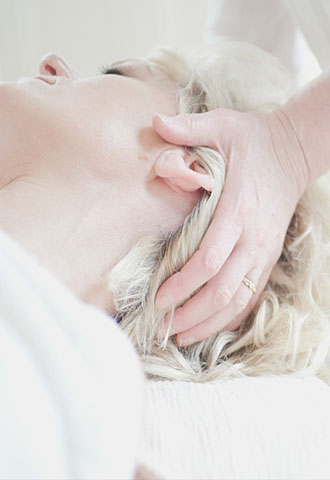
- What to expect from a treatment?
- This will involve a verbal consultation and the documentation of your medical history, followed by a full body evaluation and treatment.
- Remaining fully clothed you will then lay down on a comfortable treatment couch. The therapist then begins by gently touching various areas on the body to evaluate the rhythm and motion of the craniosacral system. Delicate, precise and effective manual techniques can then be carried out anywhere from the cranium (your head) to the sacrum (the bottom of your spine) or other areas on the body that are relevant to you. Sometimes the places where symptoms are experienced is not necessarily where the root of the problem is.
- How will I feel?
- What you experience from a treatment is highly individual and can be different each time to have one. Some people talk during a session but talking is not necessary. Typically people experience feelings of warmth, a softening of the body tissues, pulsing or tingling in areas that are being worked on or a general sense of deep relaxation.
- Before having craniosacral therapy
-
- At your first appointment remember to bring information about your medical history or any medication that you may be taking
- Wear relaxed and comfortable clothing
- Try not to go to your session on an empty stomach or straight after a large meal.
- Make sure you let the practitioner know if you are completely new to craniosacral therapy so that they can take time to explain every part of the process to you.
- How much will it cost?
-
- £45 | 1 ½ - 2hrs | First Session
- £45 | 1hr | Follow Up Sessions
-
Acupuncture
Acupuncture is derived from Traditional Chinese Medicine in which fine needles are inserted into specific places on the body to promote the flow of energy in the body for therapeutic or preventative purposes.
Auricular Acupuncture (Ear) is based upon the same principle as body acupuncture with the difference that the needles are place in the ear which is believed to reflect all areas and organs of the body.
Whilst body acupuncture is nearly always received lying down on a treatment couch Auricular acupuncture can be given in a sitting position making it a useful alternative if there is a limited amount of space available for a couch.
Acupuncture is often used to treat pain conditions and other health conditions.
- What can it help?
-
- Helps to alleviate pain of the back, knee and other areas of the body
- Muscle tension
- Headaches
- Additions
- Sleep problems
- Anxiety
- Arthritis
- Sinus problems
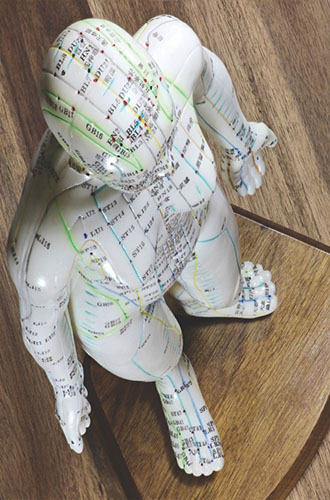
- What to expect from a treatment?
-
- The first session will involve an in depth consultation and the documentation of your medical history, and lifestyle as well as your current symptoms. The therapist may examine your tongue and take your pulse on both wrists.
- You will then lay on a treatment couch with only the area of your body being worked on exposed. Fine needles will then be inserted into carefully selected points on your body and you can relax.
- Other techniques that may be used during treatments:
-
- Cupping – glass cups which create a vacuum on the skin are placed on the skin to stimulate blood flow.
- Moxibustion – using a herbal stick heat is applied to an acupuncture point or meridian to warm and relax the body. Heat lamps may also be used.
- Massage – this helps to relax the muscles, opens energy meridian and stimulate the flow of Qi.
- Appropriate exercise and nutritional advice may be given.
- How will I feel?
-
Most people will feel quite relaxed after a treatment and you may feel a little sleepy. If possible give yourself a little time.
There are very few side effects and any that do occur are usually mild and self correcting.
Cupping may temporarily mark the skin and any bruising is not usually painful and will return to normal in a day or two.
- It is advised that you:
-
- Refrain from any vigorous exercise or operate any machinery straight after the treatment
- Please take into account if you are planning to drive
- Try not to drink any alcohol for several hours
- Drink plenty of water
- Before having an acupuncture treatment
-
- At your first appointment remember to bring information about your medical history or any medication that you may be taking
- It is helpful to wear relaxed clothing that allows easy access to the part of your body that will be worked on.
- Typically points are located on the lower arms and legs.
- Try not to go to your session on an empty stomach or straight after a large meal.
- Make sure you let the practitioner know if you are completely new to acupuncture so that they can take time to explain every part of the process to you.
- How much will it cost?
-
- £45 | 1 ½ - 2hrs | First Session
- £45 | 1hr | Follow Up Sessions
- Acupuncture evidence:
- British Acupuncture Council
-
Massage
Massage is used to stimulate blood circulation, this brings fresh oxygen to the muscles and tissues of the body, promotes lymphatic drainage and has an effect on the nervous system.
- There are many different types of massage that can be used for a broad spectrum of conditions.
-
- Sports Massage
- Swedish Massage
- Lymphatic Drainage Massage
- Indian Head Massage
- Reflex Foot Massage
- What can it help?
-
- Massage can help alleviate stiffness and pain in the muscles and soft tissues of the body, increasing flexibility and recovery from both injuries and illness. It can have a profound relaxing effect on the central nervous system promoting an all round sense of well-being.
- The overall aim is to help correct over use and soft tissue imbalances that if left or undetected can go on to create greater problems and chronic issues. Skilfully applied it can be the most effective therapy for releasing muscle tension and preventing injuries.
- Most commonly used for:
-
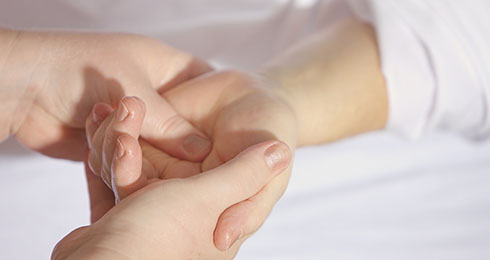
- Back, neck, and shoulder pain
- Stiffness in any muscles or joints
- Arthritis
- Sciatica
- Headaches
- IBS
- Stress
- Repetitive strain injuries
- Sports injuries
- Pre sport muscle preparation
- Anxiety and nervous disorders
- Poor circulation
- Sleep problems
- Menstrual problems
- Poor concentration
- What to expect from a treatment?
- The first session will involve a consultation and the documentation of your medical history, followed by a full body evaluation.
- You will then lie on a treatment couch with only the area that is being worked on uncovered. Specially selected oils, creams and essential oils will be used and appropriate massage techniques chosen with a focus on a specific area of the body.
- Appropriate exercise and nutritional advice may be given.
- How will I feel?
- Most people will feel quite relaxed after a treatment and you may feel a little sleepy. If possible give yourself a little time before doing anything else.
- It is advised that you:
-
- Refrain from any vigorous exercise or operate any machinery straight after the treatment
- Please take into account if you are planning to drive
- Try not to drink any alcohol for several hours
- Drink plenty of water for the rest of the day
- There are very few side effects and any that do occur are usually mild and self correcting.
- Before having a massage
-
- At your first appointment remember to bring information about your medical history or any medication that you may be taking
- It is helpful to wear relaxed clothing
- Try not to go to your appointment on an empty stomach or straight after a large meal.
- Make sure you let the practitioner know if you are completely new to massage so that time can be taken to explain everything to you.
- How much will it cost?
-
- £45 | 1 ½ - 2hrs | First Session
- £45 | 1hr | Follow Up Sessions